Design Dose
May 2, 2025
Typography, The Hidden Power Behind Great Design
Good design communicates clearly, but great typography persuades deeply. When crafted with intention, type transforms visuals into experiences that evoke emotion, inspire trust, and strengthen brand presence. Explore how typography turns design into strategy.
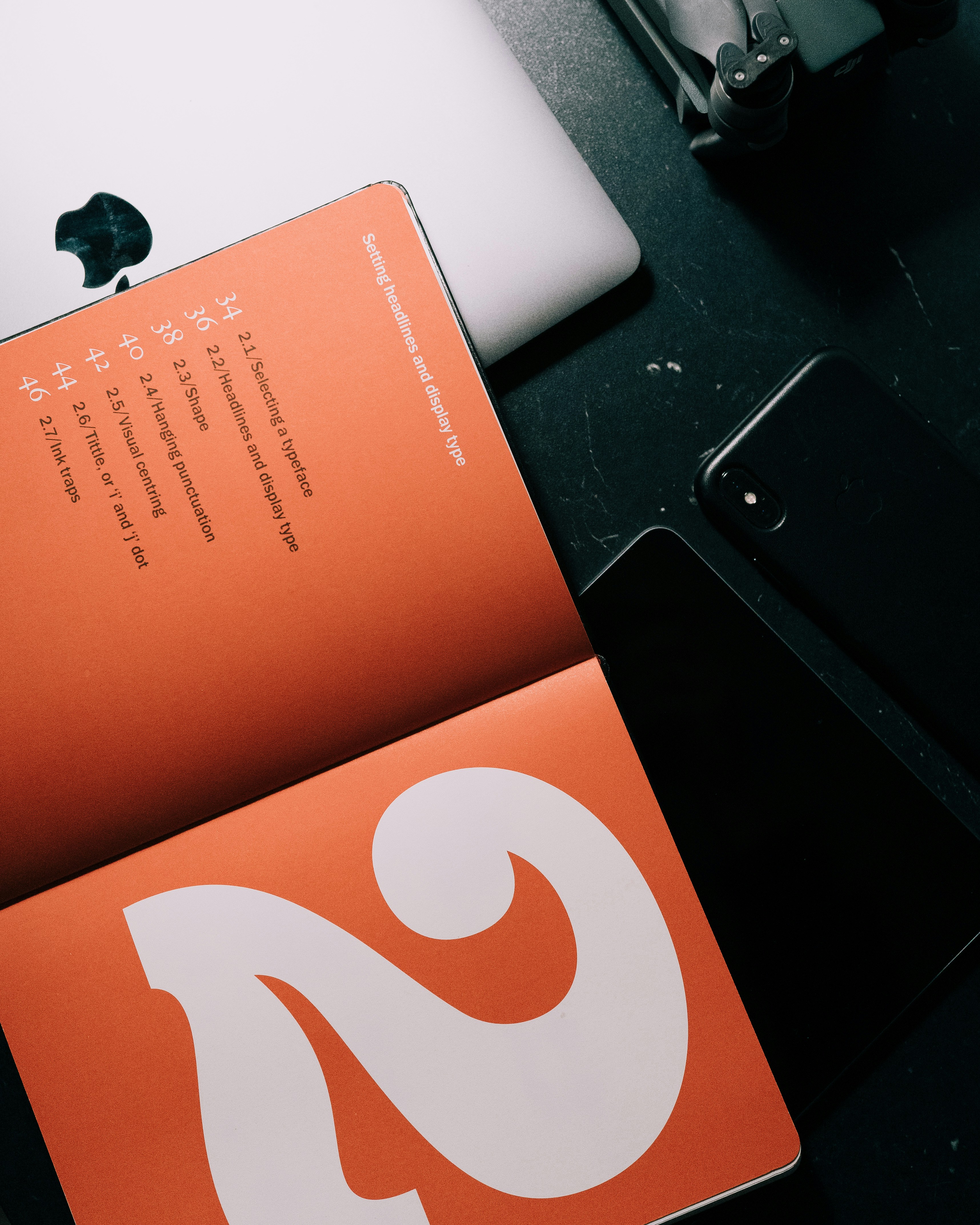
Typography is often underestimated, yet it is one of the most powerful tools in design. It is the invisible force that shapes perception, conveys meaning, and communicates emotion before a single word is truly read. Every letter, every spacing decision, and every style choice tells a story. For businesses and designers, understanding typography is not merely about aesthetics. It is about strategy, influence, and the ability to craft a memorable brand experience.
Typography as the Voice of Design
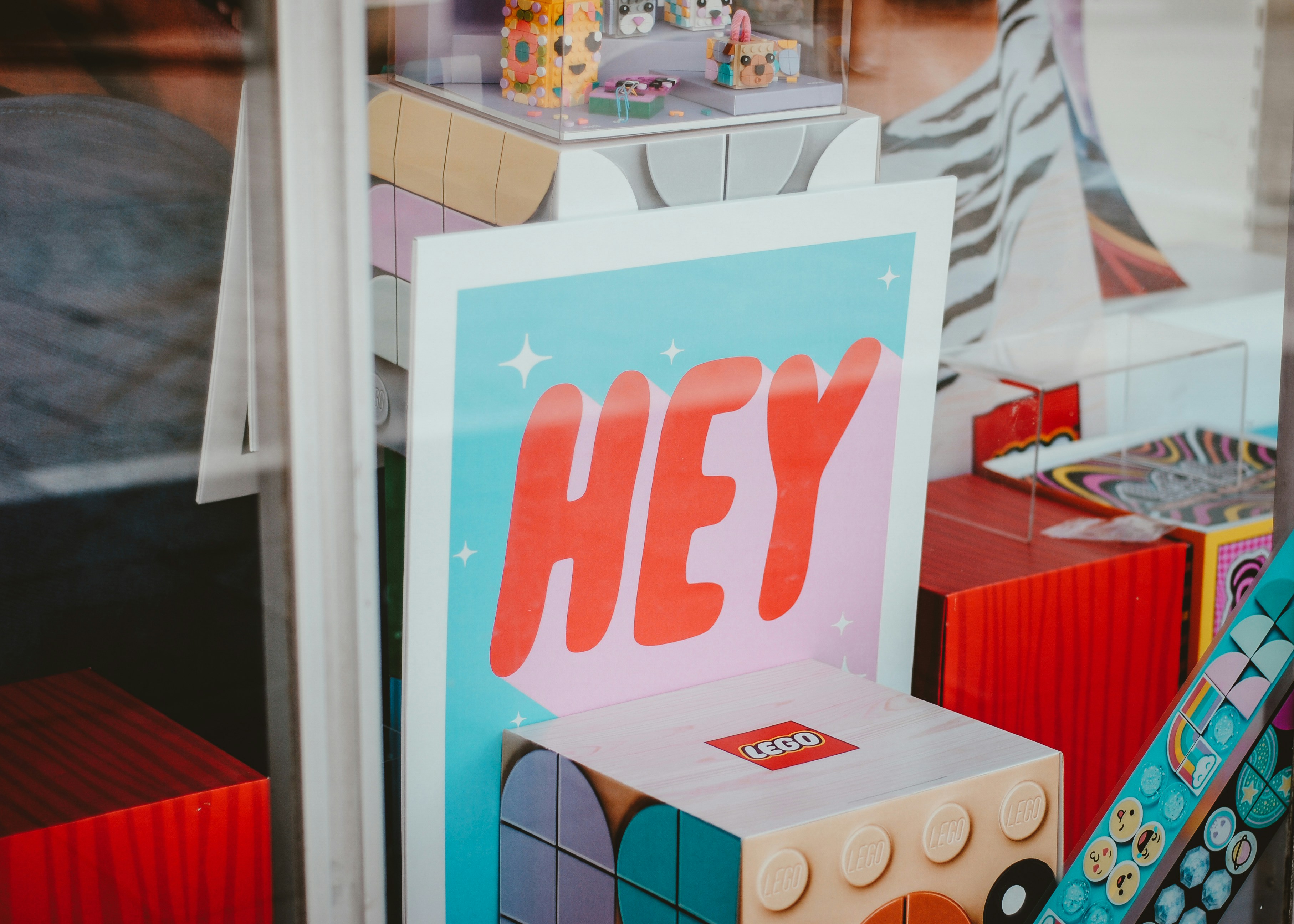
Just as spoken words carry tone and inflection, typography gives voice to visual communication. The same message presented in a bold serif font conveys authority and gravitas. The same words in a rounded sans serif evoke friendliness and approachability. Audiences interpret subtle cues in type unconsciously, forming impressions of credibility, sophistication, or energy before engaging with content. Designers who master these nuances can guide perception intentionally and effectively.

Building a Distinct Brand Identity
A brand’s identity is incomplete without careful typographic choices. Typography creates consistency across touchpoints, from websites to packaging to environmental graphics. Consider luxury brands that rely on timeless serif fonts to signal exclusivity, or technology companies that adopt sleek sans serif fonts to reflect innovation. Typography does more than present text; it communicates personality, positioning, and values. Well-considered type elevates a brand, making it instantly recognizable and resonant.
Crafting Emotional Impact
Design is never purely functional. It is an emotional language. Typography shapes feelings, often more powerfully than images alone. Large, bold type can command attention and convey confidence, while delicate, lightly spaced lettering communicates elegance and calm. When combined thoughtfully with color, imagery, and layout, typography evokes a sensory response that can inspire action, loyalty, or connection. Every typographic choice has the potential to touch audiences on a subconscious level.
Guiding Attention and Ensuring Readability
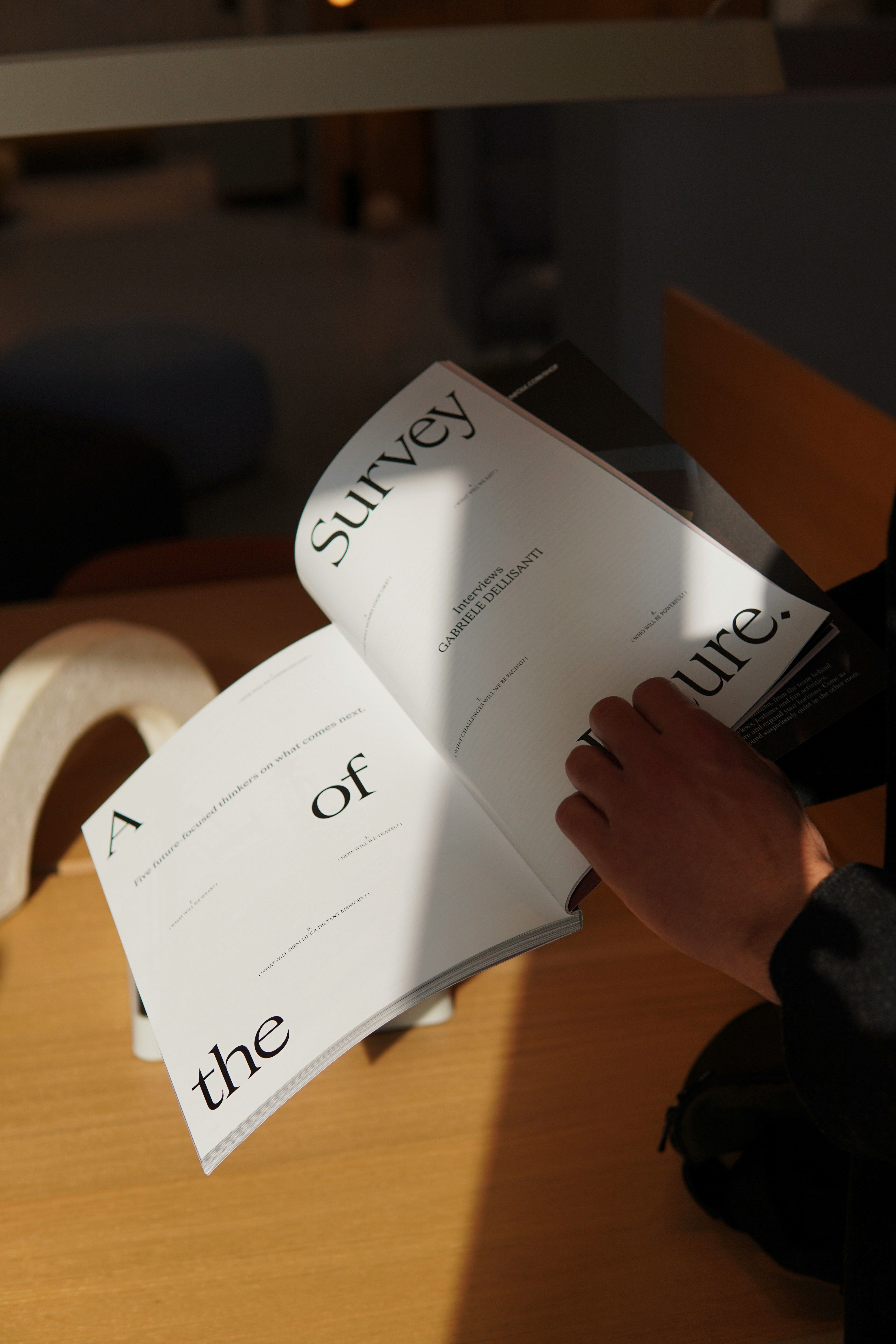
Beyond aesthetic appeal, typography is a navigational tool. Effective hierarchy guides the reader’s eye naturally, distinguishing headings, subheadings, and body text. Strategic use of weight, scale, and spacing directs focus toward the most important messages. Proper line length and spacing prevent cognitive fatigue, making content easier to consume. By respecting readability, designers not only enhance comprehension but also create an enjoyable, seamless experience.
Typography in the Digital Era
Digital platforms present both opportunities and challenges for typography. Responsive design demands type that adapts across screens and resolutions without losing clarity. Accessibility considerations require legible fonts that accommodate diverse audiences. Advancements in variable fonts and typographic controls allow brands to maintain consistency while expressing flexibility. In the digital age, typography is no longer static; it is dynamic, adaptable, and integral to user experience.
The Strategic Advantage for Business
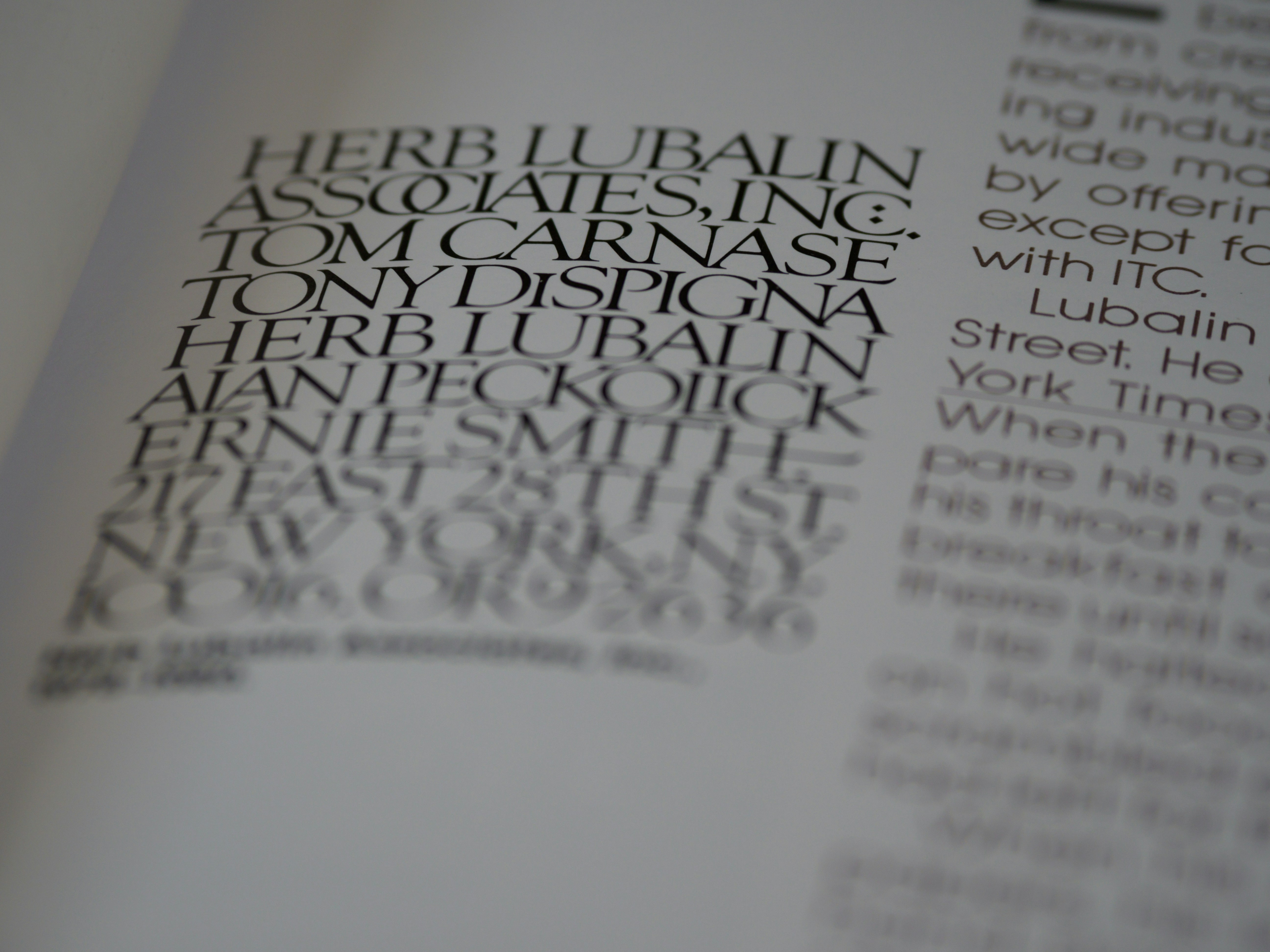
From a business perspective, typography is more than decoration. It directly influences trust, engagement, and conversion. A mismatched or poorly executed font may signal carelessness, whereas a deliberate, polished typographic system conveys professionalism and reliability. In competitive markets, these subtle cues can determine whether an audience engages further or disengages. Companies that invest in typographic strategy often see returns in brand perception, customer loyalty, and ultimately, business growth.
Conclusion
Typography is a silent yet potent force in design. It conveys voice, shapes emotion, guides attention, and reinforces identity. In an era flooded with visual content, thoughtfully chosen type ensures messages are not only seen but also remembered. For businesses seeking impact, mastering typography is not optional. It is a strategic, emotional, and persuasive instrument that defines the way audiences experience a brand. Every curve, every space, and every choice matters.
More to Discover


Design Dose
May 2, 2025
Typography, The Hidden Power Behind Great Design
Good design communicates clearly, but great typography persuades deeply. When crafted with intention, type transforms visuals into experiences that evoke emotion, inspire trust, and strengthen brand presence. Explore how typography turns design into strategy.
Typography is often underestimated, yet it is one of the most powerful tools in design. It is the invisible force that shapes perception, conveys meaning, and communicates emotion before a single word is truly read. Every letter, every spacing decision, and every style choice tells a story. For businesses and designers, understanding typography is not merely about aesthetics. It is about strategy, influence, and the ability to craft a memorable brand experience.
Typography as the Voice of Design
Just as spoken words carry tone and inflection, typography gives voice to visual communication. The same message presented in a bold serif font conveys authority and gravitas. The same words in a rounded sans serif evoke friendliness and approachability. Audiences interpret subtle cues in type unconsciously, forming impressions of credibility, sophistication, or energy before engaging with content. Designers who master these nuances can guide perception intentionally and effectively.
Building a Distinct Brand Identity
A brand’s identity is incomplete without careful typographic choices. Typography creates consistency across touchpoints, from websites to packaging to environmental graphics. Consider luxury brands that rely on timeless serif fonts to signal exclusivity, or technology companies that adopt sleek sans serif fonts to reflect innovation. Typography does more than present text; it communicates personality, positioning, and values. Well-considered type elevates a brand, making it instantly recognizable and resonant.
Crafting Emotional Impact
Design is never purely functional. It is an emotional language. Typography shapes feelings, often more powerfully than images alone. Large, bold type can command attention and convey confidence, while delicate, lightly spaced lettering communicates elegance and calm. When combined thoughtfully with color, imagery, and layout, typography evokes a sensory response that can inspire action, loyalty, or connection. Every typographic choice has the potential to touch audiences on a subconscious level.
Guiding Attention and Ensuring Readability
Beyond aesthetic appeal, typography is a navigational tool. Effective hierarchy guides the reader’s eye naturally, distinguishing headings, subheadings, and body text. Strategic use of weight, scale, and spacing directs focus toward the most important messages. Proper line length and spacing prevent cognitive fatigue, making content easier to consume. By respecting readability, designers not only enhance comprehension but also create an enjoyable, seamless experience.
Typography in the Digital Era
Digital platforms present both opportunities and challenges for typography. Responsive design demands type that adapts across screens and resolutions without losing clarity. Accessibility considerations require legible fonts that accommodate diverse audiences. Advancements in variable fonts and typographic controls allow brands to maintain consistency while expressing flexibility. In the digital age, typography is no longer static; it is dynamic, adaptable, and integral to user experience.
The Strategic Advantage for Business
From a business perspective, typography is more than decoration. It directly influences trust, engagement, and conversion. A mismatched or poorly executed font may signal carelessness, whereas a deliberate, polished typographic system conveys professionalism and reliability. In competitive markets, these subtle cues can determine whether an audience engages further or disengages. Companies that invest in typographic strategy often see returns in brand perception, customer loyalty, and ultimately, business growth.
Conclusion
Typography is a silent yet potent force in design. It conveys voice, shapes emotion, guides attention, and reinforces identity. In an era flooded with visual content, thoughtfully chosen type ensures messages are not only seen but also remembered. For businesses seeking impact, mastering typography is not optional. It is a strategic, emotional, and persuasive instrument that defines the way audiences experience a brand. Every curve, every space, and every choice matters.
More to Discover
Design Dose
May 2, 2025
Typography, The Hidden Power Behind Great Design
Good design communicates clearly, but great typography persuades deeply. When crafted with intention, type transforms visuals into experiences that evoke emotion, inspire trust, and strengthen brand presence. Explore how typography turns design into strategy.
Typography is often underestimated, yet it is one of the most powerful tools in design. It is the invisible force that shapes perception, conveys meaning, and communicates emotion before a single word is truly read. Every letter, every spacing decision, and every style choice tells a story. For businesses and designers, understanding typography is not merely about aesthetics. It is about strategy, influence, and the ability to craft a memorable brand experience.
Typography as the Voice of Design
Just as spoken words carry tone and inflection, typography gives voice to visual communication. The same message presented in a bold serif font conveys authority and gravitas. The same words in a rounded sans serif evoke friendliness and approachability. Audiences interpret subtle cues in type unconsciously, forming impressions of credibility, sophistication, or energy before engaging with content. Designers who master these nuances can guide perception intentionally and effectively.
Building a Distinct Brand Identity
A brand’s identity is incomplete without careful typographic choices. Typography creates consistency across touchpoints, from websites to packaging to environmental graphics. Consider luxury brands that rely on timeless serif fonts to signal exclusivity, or technology companies that adopt sleek sans serif fonts to reflect innovation. Typography does more than present text; it communicates personality, positioning, and values. Well-considered type elevates a brand, making it instantly recognizable and resonant.
Crafting Emotional Impact
Design is never purely functional. It is an emotional language. Typography shapes feelings, often more powerfully than images alone. Large, bold type can command attention and convey confidence, while delicate, lightly spaced lettering communicates elegance and calm. When combined thoughtfully with color, imagery, and layout, typography evokes a sensory response that can inspire action, loyalty, or connection. Every typographic choice has the potential to touch audiences on a subconscious level.
Guiding Attention and Ensuring Readability
Beyond aesthetic appeal, typography is a navigational tool. Effective hierarchy guides the reader’s eye naturally, distinguishing headings, subheadings, and body text. Strategic use of weight, scale, and spacing directs focus toward the most important messages. Proper line length and spacing prevent cognitive fatigue, making content easier to consume. By respecting readability, designers not only enhance comprehension but also create an enjoyable, seamless experience.
Typography in the Digital Era
Digital platforms present both opportunities and challenges for typography. Responsive design demands type that adapts across screens and resolutions without losing clarity. Accessibility considerations require legible fonts that accommodate diverse audiences. Advancements in variable fonts and typographic controls allow brands to maintain consistency while expressing flexibility. In the digital age, typography is no longer static; it is dynamic, adaptable, and integral to user experience.
The Strategic Advantage for Business
From a business perspective, typography is more than decoration. It directly influences trust, engagement, and conversion. A mismatched or poorly executed font may signal carelessness, whereas a deliberate, polished typographic system conveys professionalism and reliability. In competitive markets, these subtle cues can determine whether an audience engages further or disengages. Companies that invest in typographic strategy often see returns in brand perception, customer loyalty, and ultimately, business growth.
Conclusion
Typography is a silent yet potent force in design. It conveys voice, shapes emotion, guides attention, and reinforces identity. In an era flooded with visual content, thoughtfully chosen type ensures messages are not only seen but also remembered. For businesses seeking impact, mastering typography is not optional. It is a strategic, emotional, and persuasive instrument that defines the way audiences experience a brand. Every curve, every space, and every choice matters.