Design Dose
Jan 5, 2025
Design Trends that Shaped 2024
From 3D lettering and bold gradients to AI-powered creativity and natural textures, these five design trends shaped how we experience visuals in 2024.

Every year, design carries the power to capture the cultural mood and reflect the evolving relationship between technology, creativity, and human needs. The year 2024 has been no exception. Across industries, from branding to digital experiences to spatial design, we have seen bold choices and subtle refinements shape the way audiences interact with the world around them. What makes this year particularly memorable is the convergence of human imagination with cutting-edge technology, resulting in trends that not only look visually striking but also feel deeply relevant.
Below are five defining design trends that stood out in 2024 and are set to influence the way we create and experience design in the coming years.
1. 3D Lettering and Bubble Fonts
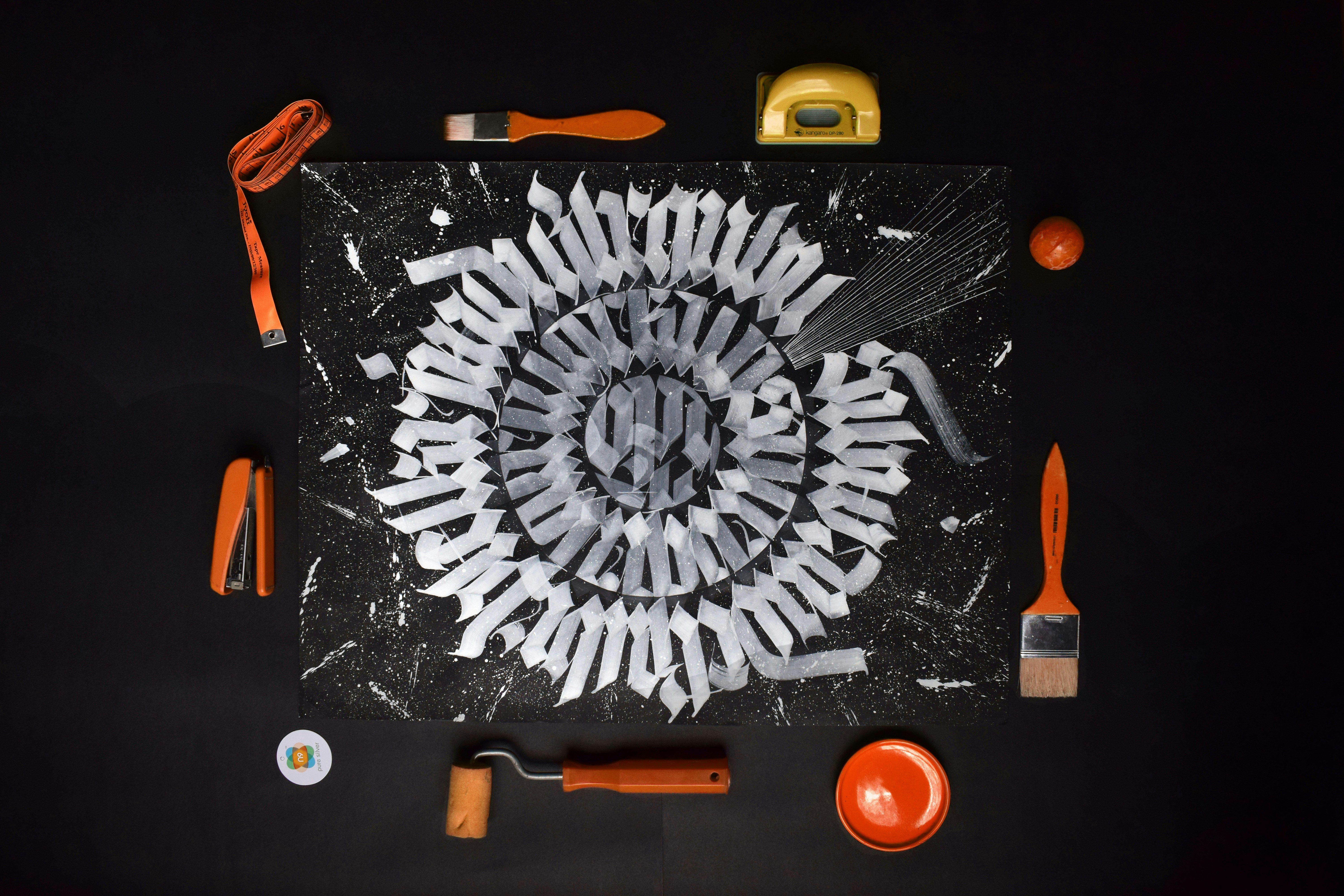
Typography became more than a vessel for words in 2024. It became an art form in itself. Three-dimensional lettering and bubble fonts brought a new dimension of playfulness and depth to digital and print design alike. From campaign posters to website headers, these fonts made statements that could not be ignored.
The use of realistic shading, soft curves, and glossy textures lent a tactile quality that blurred the boundary between physical and digital worlds. This trend was not simply about standing out; it was about inviting interaction. Viewers felt drawn to words as if they could touch them. Brands leveraged this typography style to express approachability and dynamism, balancing boldness with charm.
2. Bold Color Contrasts and Abstract Gradients
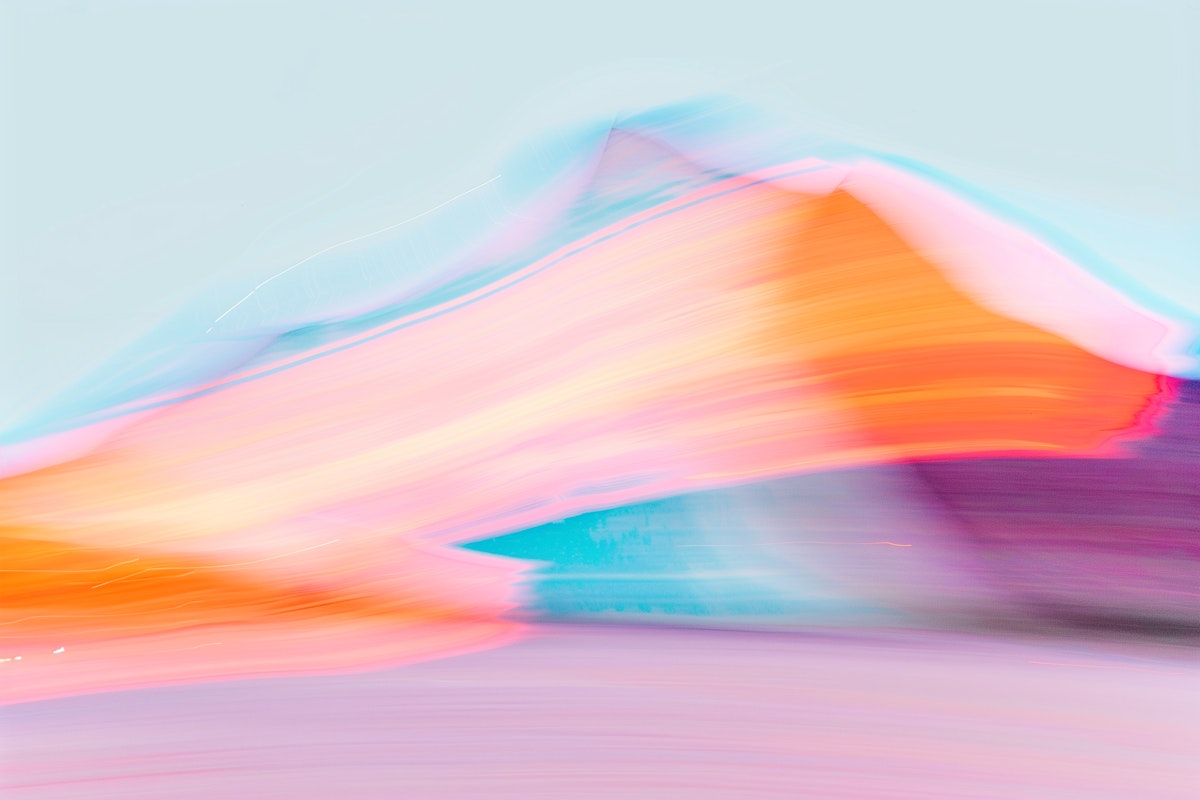
Gone are the days when gradients were subtle background fillers. In 2024, gradients became protagonists. Designers embraced unapologetic color pairings, pushing boundaries with juxtapositions of electric blues against neon oranges, or deep emeralds fading into radiant magentas.
Abstract gradients introduced an organic rhythm to visuals. Instead of neat linear fades, we witnessed amorphous, flowing transitions that felt alive. This choice of color and form gave brands an edge of experimentation, while also keeping digital interfaces visually fresh. The contrast-heavy palettes reflected an appetite for optimism and energy, offering audiences a sense of vibrancy in a world often caught between uncertainty and progress.
3. AI-Assisted Design and Human-Centered Digital Experiences
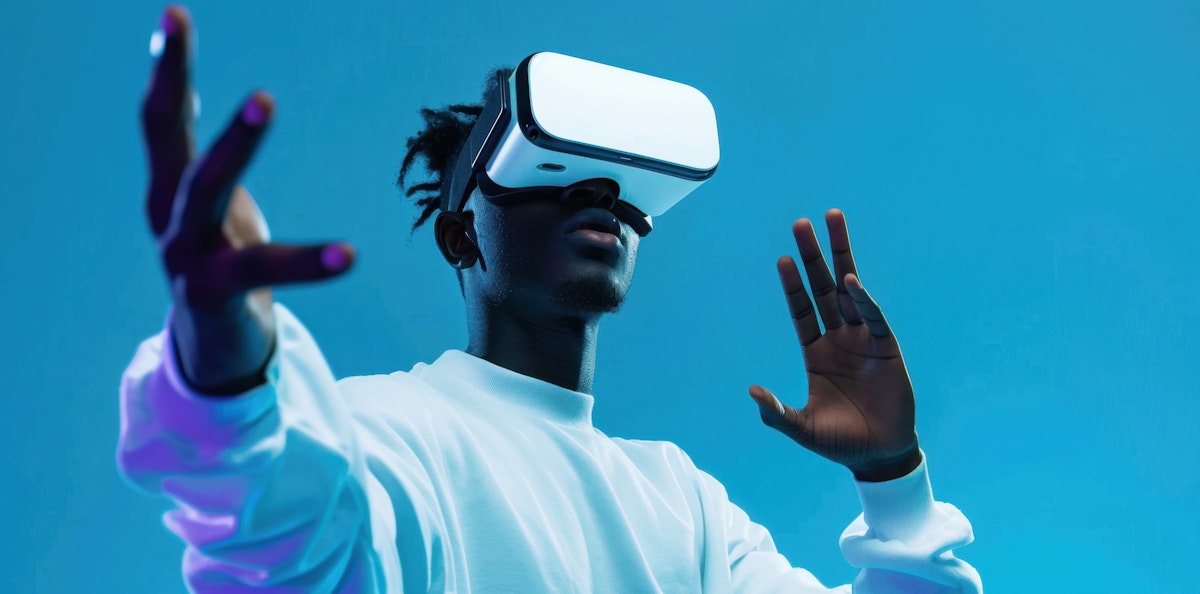
Artificial Intelligence shaped creative industries more than ever before in 2024. Yet, what made this year stand out was the balance designers struck between machine efficiency and human empathy. AI tools provided precision, speed, and endless variation, but the most impactful outcomes came when those outputs were refined by human insight.
Designers began to see AI not as a replacement but as a partner. It allowed rapid prototyping, predictive personalization, and data-informed creativity. Meanwhile, human designers ensured that experiences stayed grounded in warmth and accessibility. The best examples appeared in digital product design, where AI enabled adaptive interfaces while humans crafted journeys that respected nuance, emotion, and trust. The lesson from 2024 is clear: design succeeds when technology amplifies rather than overshadows the human touch.
4. Natural Elements and Tactile Textures
Even as digital tools dominated conversations, there was a parallel craving for authenticity and groundedness. This desire materialized in the form of natural elements and tactile textures. Designers leaned heavily into earthy tones, stone-like finishes, and organic patterns. Visuals mimicked wood grains, woven fabrics, and raw clay to evoke warmth and familiarity.
This was not limited to interior or product design. Digital platforms also incorporated texture-inspired backgrounds and illustrations that softened otherwise sterile interfaces. The effect was subtle but powerful. By reintroducing tangible sensations into intangible spaces, brands created experiences that felt more human, more trustworthy, and more lasting. It was a reminder that in an increasingly virtual age, people still long for the comfort of the natural world.
5. Structural Redesign: Visible Grids and Composition
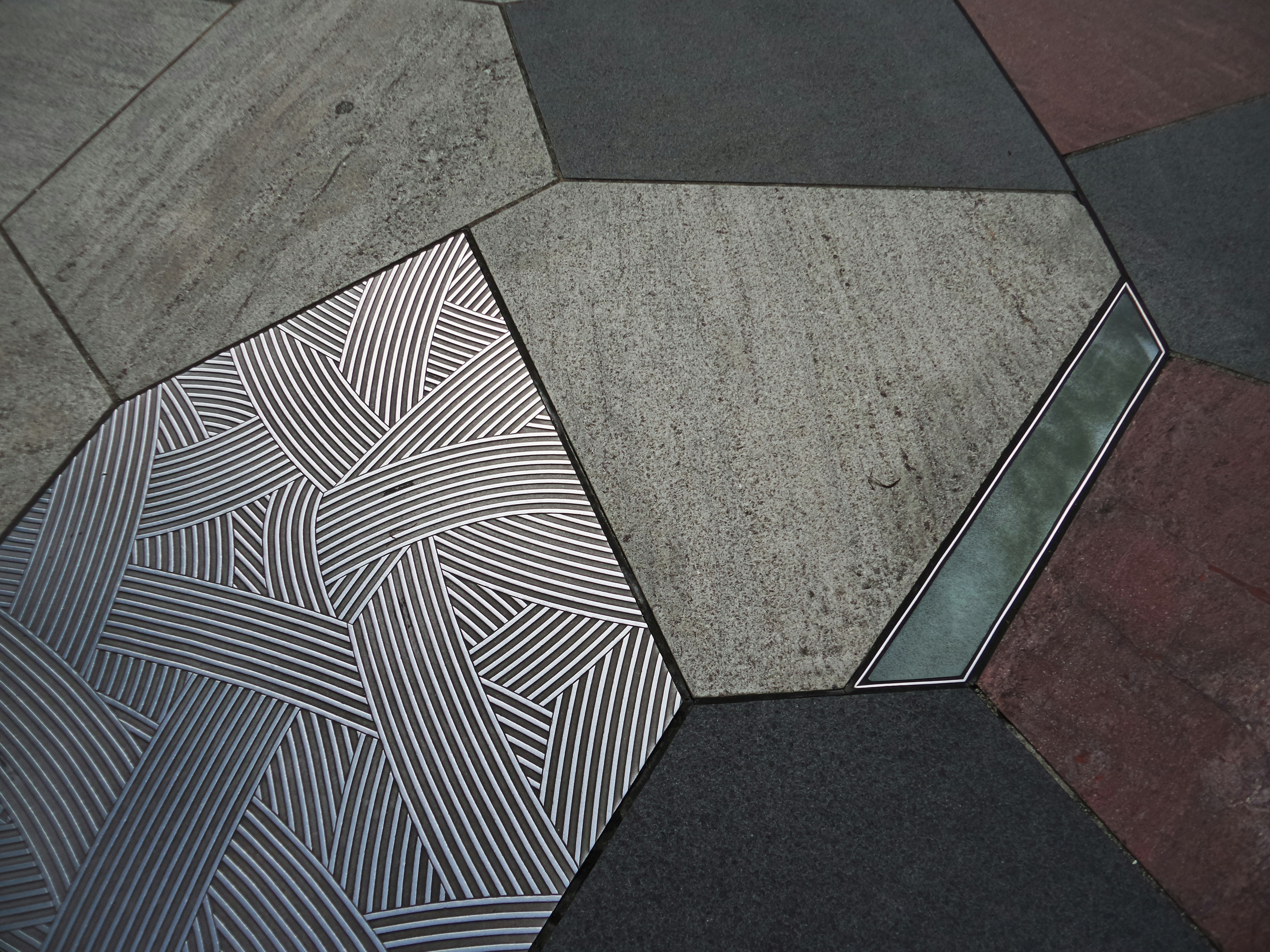
Minimalism has long championed clarity, but 2024 saw designers push that clarity further by revealing the very skeleton of design: grids. Rather than hiding the underlying structure, creatives highlighted it. We saw websites, posters, and brand visuals that openly showcased modular layouts, intersecting lines, and layered compositions.
This structural transparency gave audiences a sense of order and logic while still allowing experimentation. It became a visual metaphor for honesty, an assertion that design does not need to disguise its foundation. Compositionally, it also encouraged more dynamic interactions, as elements aligned and misaligned deliberately to create rhythm. By celebrating visible frameworks, designers showed that structure can be both functional and beautiful.
Looking Ahead
The design landscape of 2024 demonstrated one central truth: creativity flourishes when opposites converge. Technology and humanity, boldness and subtlety, structure and freedom, all worked together to create a year defined by contrasts and harmonies.
As we step into the future, these trends remind us that design is never just about aesthetics. It is about forging connections, evoking emotion, and reflecting the spirit of its time. The next wave of design will likely continue blending advanced tools with timeless human sensibilities. For businesses, creators, and audiences alike, the lesson is to embrace both innovation and authenticity.
2024 may be ending, but the ideas it introduced are just beginning to shape the designs of tomorrow.
More to Discover


Design Dose
Jan 5, 2025
Design Trends that Shaped 2024
From 3D lettering and bold gradients to AI-powered creativity and natural textures, these five design trends shaped how we experience visuals in 2024.
Every year, design carries the power to capture the cultural mood and reflect the evolving relationship between technology, creativity, and human needs. The year 2024 has been no exception. Across industries, from branding to digital experiences to spatial design, we have seen bold choices and subtle refinements shape the way audiences interact with the world around them. What makes this year particularly memorable is the convergence of human imagination with cutting-edge technology, resulting in trends that not only look visually striking but also feel deeply relevant.
Below are five defining design trends that stood out in 2024 and are set to influence the way we create and experience design in the coming years.
1. 3D Lettering and Bubble Fonts
Typography became more than a vessel for words in 2024. It became an art form in itself. Three-dimensional lettering and bubble fonts brought a new dimension of playfulness and depth to digital and print design alike. From campaign posters to website headers, these fonts made statements that could not be ignored.
The use of realistic shading, soft curves, and glossy textures lent a tactile quality that blurred the boundary between physical and digital worlds. This trend was not simply about standing out; it was about inviting interaction. Viewers felt drawn to words as if they could touch them. Brands leveraged this typography style to express approachability and dynamism, balancing boldness with charm.
2. Bold Color Contrasts and Abstract Gradients
Gone are the days when gradients were subtle background fillers. In 2024, gradients became protagonists. Designers embraced unapologetic color pairings, pushing boundaries with juxtapositions of electric blues against neon oranges, or deep emeralds fading into radiant magentas.
Abstract gradients introduced an organic rhythm to visuals. Instead of neat linear fades, we witnessed amorphous, flowing transitions that felt alive. This choice of color and form gave brands an edge of experimentation, while also keeping digital interfaces visually fresh. The contrast-heavy palettes reflected an appetite for optimism and energy, offering audiences a sense of vibrancy in a world often caught between uncertainty and progress.
3. AI-Assisted Design and Human-Centered Digital Experiences
Artificial Intelligence shaped creative industries more than ever before in 2024. Yet, what made this year stand out was the balance designers struck between machine efficiency and human empathy. AI tools provided precision, speed, and endless variation, but the most impactful outcomes came when those outputs were refined by human insight.
Designers began to see AI not as a replacement but as a partner. It allowed rapid prototyping, predictive personalization, and data-informed creativity. Meanwhile, human designers ensured that experiences stayed grounded in warmth and accessibility. The best examples appeared in digital product design, where AI enabled adaptive interfaces while humans crafted journeys that respected nuance, emotion, and trust. The lesson from 2024 is clear: design succeeds when technology amplifies rather than overshadows the human touch.
4. Natural Elements and Tactile Textures
Even as digital tools dominated conversations, there was a parallel craving for authenticity and groundedness. This desire materialized in the form of natural elements and tactile textures. Designers leaned heavily into earthy tones, stone-like finishes, and organic patterns. Visuals mimicked wood grains, woven fabrics, and raw clay to evoke warmth and familiarity.
This was not limited to interior or product design. Digital platforms also incorporated texture-inspired backgrounds and illustrations that softened otherwise sterile interfaces. The effect was subtle but powerful. By reintroducing tangible sensations into intangible spaces, brands created experiences that felt more human, more trustworthy, and more lasting. It was a reminder that in an increasingly virtual age, people still long for the comfort of the natural world.
5. Structural Redesign: Visible Grids and Composition
Minimalism has long championed clarity, but 2024 saw designers push that clarity further by revealing the very skeleton of design: grids. Rather than hiding the underlying structure, creatives highlighted it. We saw websites, posters, and brand visuals that openly showcased modular layouts, intersecting lines, and layered compositions.
This structural transparency gave audiences a sense of order and logic while still allowing experimentation. It became a visual metaphor for honesty, an assertion that design does not need to disguise its foundation. Compositionally, it also encouraged more dynamic interactions, as elements aligned and misaligned deliberately to create rhythm. By celebrating visible frameworks, designers showed that structure can be both functional and beautiful.
Looking Ahead
The design landscape of 2024 demonstrated one central truth: creativity flourishes when opposites converge. Technology and humanity, boldness and subtlety, structure and freedom, all worked together to create a year defined by contrasts and harmonies.
As we step into the future, these trends remind us that design is never just about aesthetics. It is about forging connections, evoking emotion, and reflecting the spirit of its time. The next wave of design will likely continue blending advanced tools with timeless human sensibilities. For businesses, creators, and audiences alike, the lesson is to embrace both innovation and authenticity.
2024 may be ending, but the ideas it introduced are just beginning to shape the designs of tomorrow.
More to Discover
Design Dose
Jan 5, 2025
Design Trends that Shaped 2024
From 3D lettering and bold gradients to AI-powered creativity and natural textures, these five design trends shaped how we experience visuals in 2024.
Every year, design carries the power to capture the cultural mood and reflect the evolving relationship between technology, creativity, and human needs. The year 2024 has been no exception. Across industries, from branding to digital experiences to spatial design, we have seen bold choices and subtle refinements shape the way audiences interact with the world around them. What makes this year particularly memorable is the convergence of human imagination with cutting-edge technology, resulting in trends that not only look visually striking but also feel deeply relevant.
Below are five defining design trends that stood out in 2024 and are set to influence the way we create and experience design in the coming years.
1. 3D Lettering and Bubble Fonts
Typography became more than a vessel for words in 2024. It became an art form in itself. Three-dimensional lettering and bubble fonts brought a new dimension of playfulness and depth to digital and print design alike. From campaign posters to website headers, these fonts made statements that could not be ignored.
The use of realistic shading, soft curves, and glossy textures lent a tactile quality that blurred the boundary between physical and digital worlds. This trend was not simply about standing out; it was about inviting interaction. Viewers felt drawn to words as if they could touch them. Brands leveraged this typography style to express approachability and dynamism, balancing boldness with charm.
2. Bold Color Contrasts and Abstract Gradients
Gone are the days when gradients were subtle background fillers. In 2024, gradients became protagonists. Designers embraced unapologetic color pairings, pushing boundaries with juxtapositions of electric blues against neon oranges, or deep emeralds fading into radiant magentas.
Abstract gradients introduced an organic rhythm to visuals. Instead of neat linear fades, we witnessed amorphous, flowing transitions that felt alive. This choice of color and form gave brands an edge of experimentation, while also keeping digital interfaces visually fresh. The contrast-heavy palettes reflected an appetite for optimism and energy, offering audiences a sense of vibrancy in a world often caught between uncertainty and progress.
3. AI-Assisted Design and Human-Centered Digital Experiences
Artificial Intelligence shaped creative industries more than ever before in 2024. Yet, what made this year stand out was the balance designers struck between machine efficiency and human empathy. AI tools provided precision, speed, and endless variation, but the most impactful outcomes came when those outputs were refined by human insight.
Designers began to see AI not as a replacement but as a partner. It allowed rapid prototyping, predictive personalization, and data-informed creativity. Meanwhile, human designers ensured that experiences stayed grounded in warmth and accessibility. The best examples appeared in digital product design, where AI enabled adaptive interfaces while humans crafted journeys that respected nuance, emotion, and trust. The lesson from 2024 is clear: design succeeds when technology amplifies rather than overshadows the human touch.
4. Natural Elements and Tactile Textures
Even as digital tools dominated conversations, there was a parallel craving for authenticity and groundedness. This desire materialized in the form of natural elements and tactile textures. Designers leaned heavily into earthy tones, stone-like finishes, and organic patterns. Visuals mimicked wood grains, woven fabrics, and raw clay to evoke warmth and familiarity.
This was not limited to interior or product design. Digital platforms also incorporated texture-inspired backgrounds and illustrations that softened otherwise sterile interfaces. The effect was subtle but powerful. By reintroducing tangible sensations into intangible spaces, brands created experiences that felt more human, more trustworthy, and more lasting. It was a reminder that in an increasingly virtual age, people still long for the comfort of the natural world.
5. Structural Redesign: Visible Grids and Composition
Minimalism has long championed clarity, but 2024 saw designers push that clarity further by revealing the very skeleton of design: grids. Rather than hiding the underlying structure, creatives highlighted it. We saw websites, posters, and brand visuals that openly showcased modular layouts, intersecting lines, and layered compositions.
This structural transparency gave audiences a sense of order and logic while still allowing experimentation. It became a visual metaphor for honesty, an assertion that design does not need to disguise its foundation. Compositionally, it also encouraged more dynamic interactions, as elements aligned and misaligned deliberately to create rhythm. By celebrating visible frameworks, designers showed that structure can be both functional and beautiful.
Looking Ahead
The design landscape of 2024 demonstrated one central truth: creativity flourishes when opposites converge. Technology and humanity, boldness and subtlety, structure and freedom, all worked together to create a year defined by contrasts and harmonies.
As we step into the future, these trends remind us that design is never just about aesthetics. It is about forging connections, evoking emotion, and reflecting the spirit of its time. The next wave of design will likely continue blending advanced tools with timeless human sensibilities. For businesses, creators, and audiences alike, the lesson is to embrace both innovation and authenticity.
2024 may be ending, but the ideas it introduced are just beginning to shape the designs of tomorrow.