Case Study
Sep 15, 2025
Apple’s iPhone 17 Launch and the $112B Backlash
Apple’s iPhone 17 launch erased around $112B in just two days. Beyond leaks and AI delays, design backlash and cheaper material choices raised doubts about whether Apple is still a design-first brand, or just a tech giant chasing margins.
Background
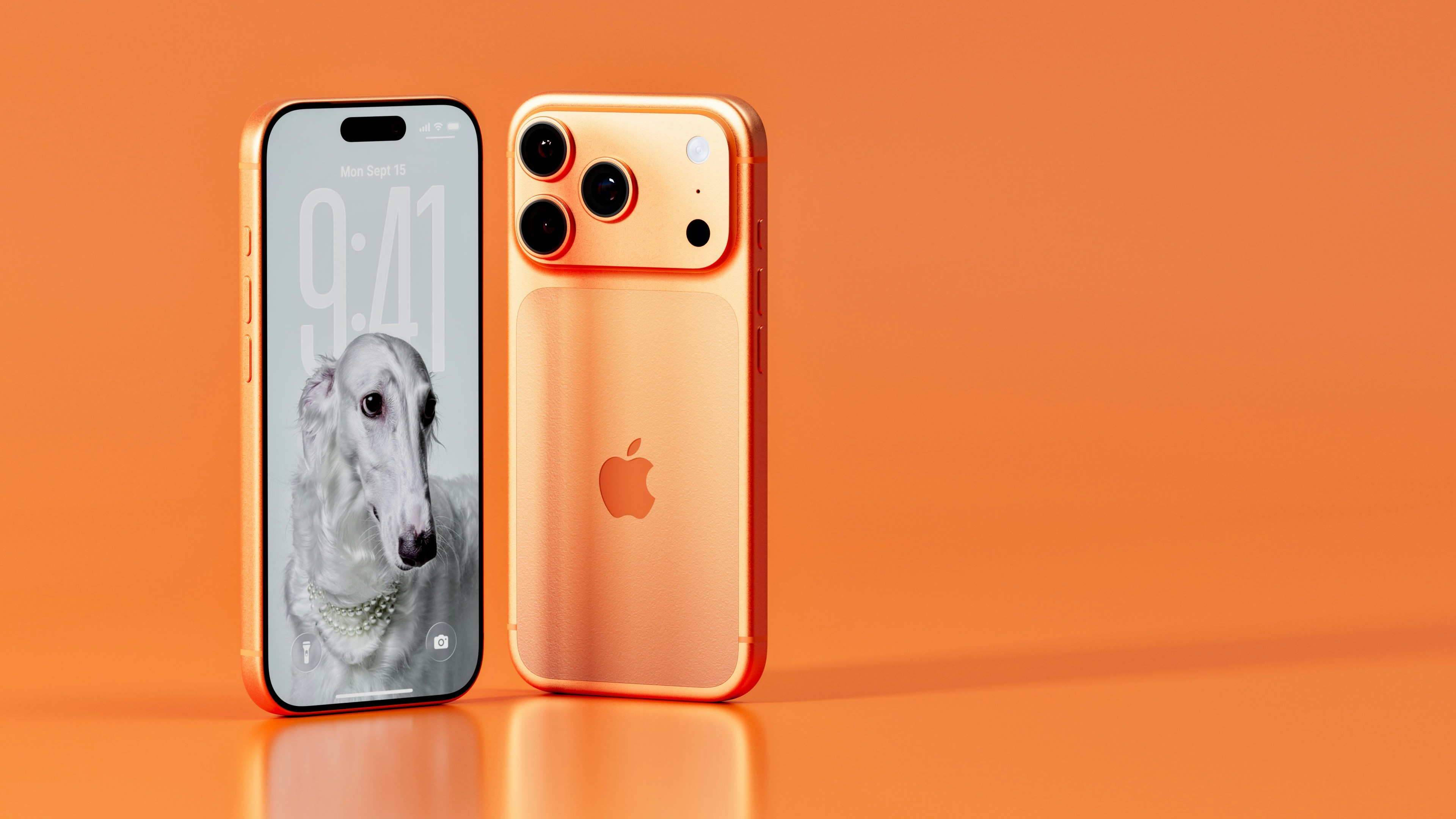
Apple has long been regarded as a design-driven company that blends technology with cultural relevance. Its product launches historically created moments of theater, sparking both consumer excitement and investor confidence. The iPhone 17, along with iPhone Air announced as Apple’s thinnest iPhone ever, was expected to continue that tradition. Instead, the launch triggered one of the sharpest value declines in the company’s recent history, with around $112B wiped from its market capitalization within 48 hours.
The Challenge
The central challenge Apple faced was balancing incremental hardware innovation with rising expectations for design excellence and AI leadership. Consumers and investors expected a breakthrough moment. What they received instead was perceived as:
Predictable due to leaks.
Lacking in near-term AI innovation.
Flawed in design coherence.
Weakened by signals of cost compromise, such as shifting materials.
The disconnect between Apple’s brand promise and what the iPhone 17 delivered created both reputational and financial strain.
Actions and Decisions
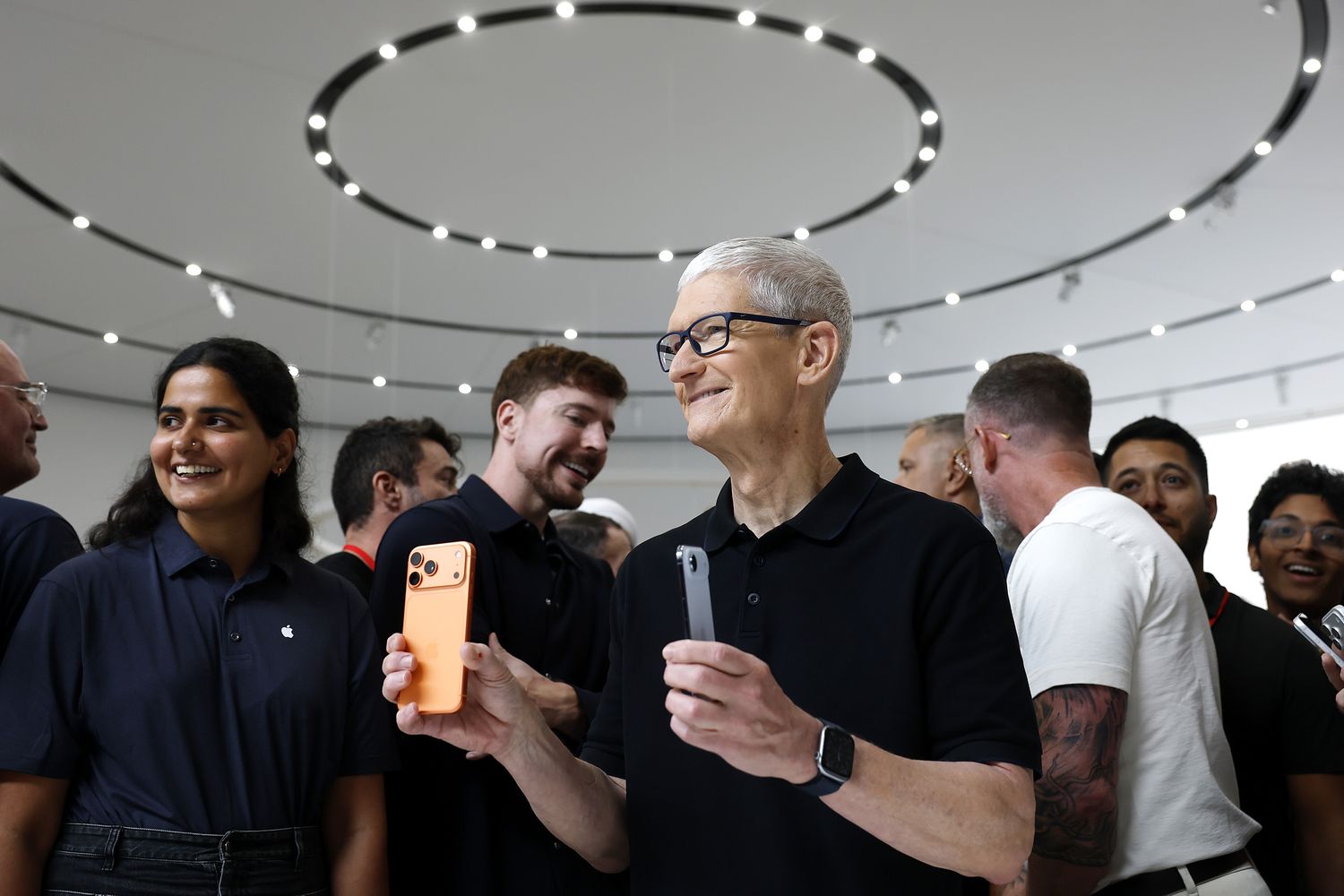
Apple’s strategic choices during the launch cycle directly shaped the market response:
Presentation Strategy: The keynote emphasized thinness and hardware refinements rather than a bold, unexpected reveal.
AI Roadmap Communication: Key AI features were delayed until 2026, creating a gap between expectation and reality.
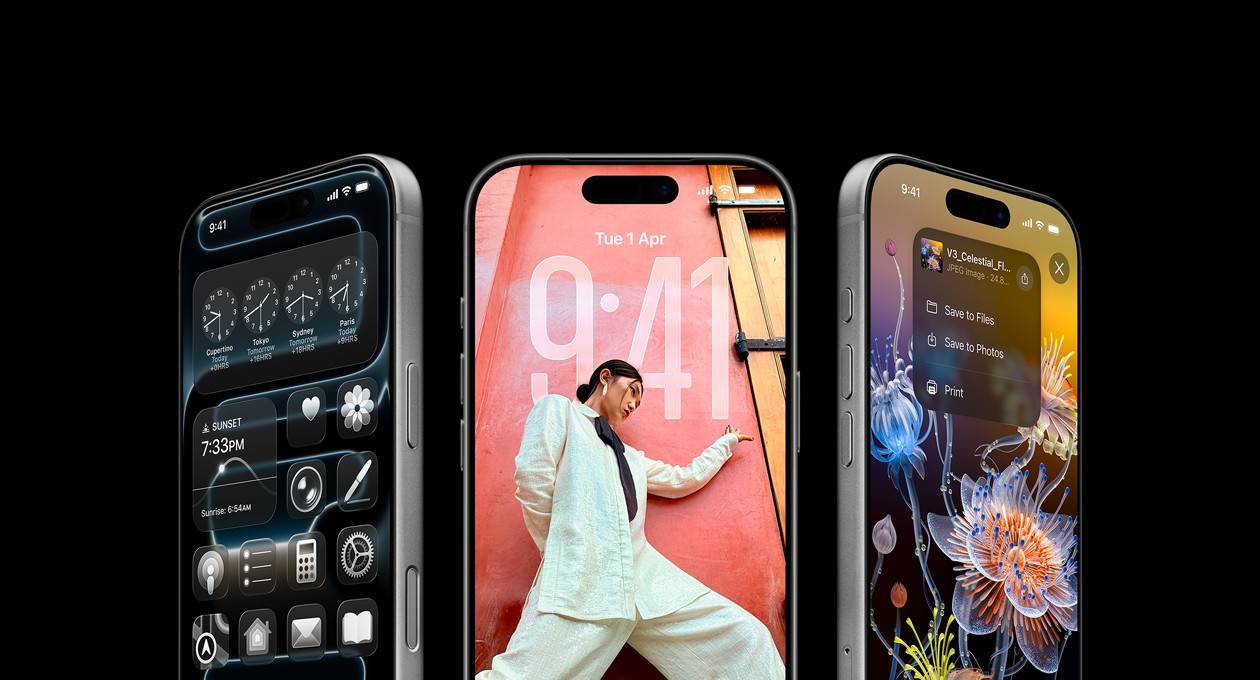
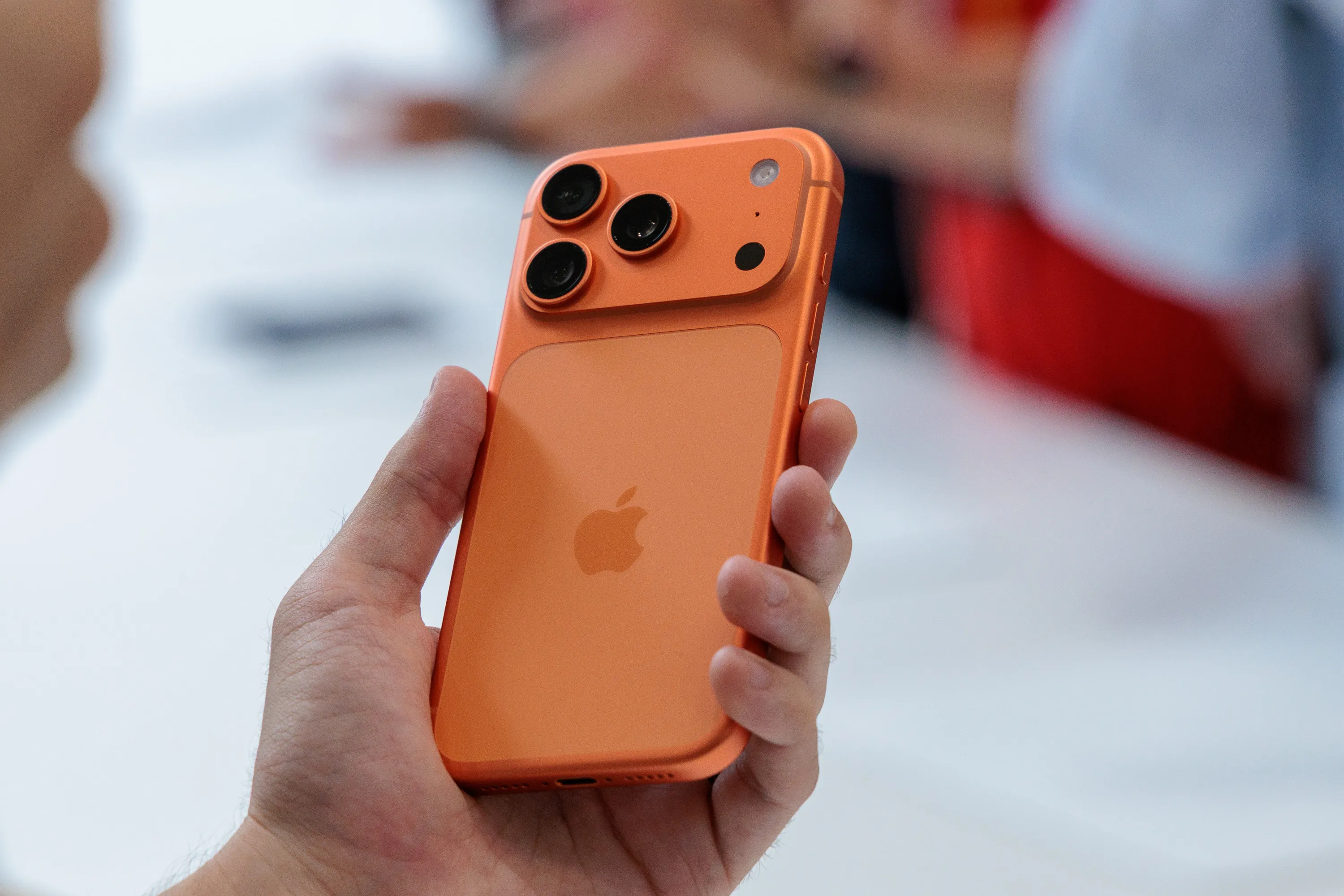
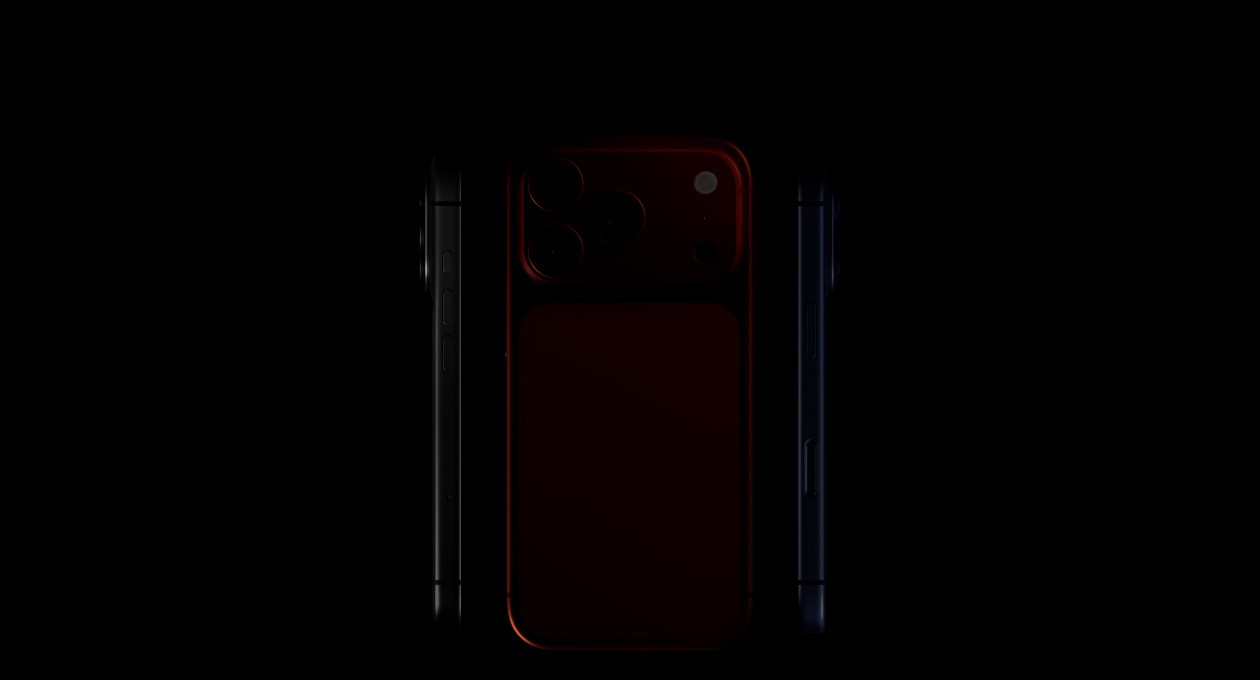
Design Execution: The new camera bar and controversial color palette triggered widespread consumer criticism.
Material Selection: Rumors of a shift from titanium to aluminum in certain models signaled compromise in quality, even if justified by manufacturing logic.
Financial Management: Apple absorbed about $1.1B in tariffs to maintain pricing, a choice that supported consumers but raised concerns among investors about margin erosion.
Results
The outcome was immediate and measurable:
Market Impact: Around $112B reduction in market value within two days.
Consumer Sentiment: Viral backlash on social platforms mocking design choices, fueling perception of declining design leadership.
Investor Confidence: Analysts cited incremental updates, delayed AI, and margin pressure as drivers of investor fatigue.
Brand Perception: For the first time, consumers openly questioned whether Apple remains a design-first company.
Lessons Learned
The iPhone 17 launch demonstrates several critical lessons for business leaders and brand strategists:
Secrecy is Strategy: In an era of leaks, maintaining genuine surprise is not cosmetic, it is essential to preserving brand theater.
Design as Trust: Customers do not simply buy devices. They buy the reassurance that design excellence has been prioritized above compromise.
Symbolism Matters: Material choices may look like supply chain optimizations but carry powerful brand symbolism. Downgrades, even subtle, are interpreted as broken promises.
Innovation Timing Shapes Perception: Delaying breakthrough features can undermine short-term launches if not paired with equally compelling narratives.
Brand Identity Must Be Defended Relentlessly: A brand built on design cannot risk being perceived as ordinary. Once aura is lost, regaining it is significantly harder.

Conclusion
Apple’s iPhone 17 launch was not a technological failure, but it became a branding and expectation management failure. The case highlights how a company’s symbolic decisions, design language, material choice, and product timing, can have financial consequences that far exceed their technical weight. For Apple, the $112B loss was more than a market correction. It was a reminder that its greatest asset is not hardware, but the trust that design will always come first.
More to Discover


Case Study
Sep 15, 2025
Apple’s iPhone 17 Launch and the $112B Backlash
Apple’s iPhone 17 launch erased around $112B in just two days. Beyond leaks and AI delays, design backlash and cheaper material choices raised doubts about whether Apple is still a design-first brand, or just a tech giant chasing margins.
Background
Apple has long been regarded as a design-driven company that blends technology with cultural relevance. Its product launches historically created moments of theater, sparking both consumer excitement and investor confidence. The iPhone 17, along with iPhone Air announced as Apple’s thinnest iPhone ever, was expected to continue that tradition. Instead, the launch triggered one of the sharpest value declines in the company’s recent history, with around $112B wiped from its market capitalization within 48 hours.
The Challenge
The central challenge Apple faced was balancing incremental hardware innovation with rising expectations for design excellence and AI leadership. Consumers and investors expected a breakthrough moment. What they received instead was perceived as:
Predictable due to leaks.
Lacking in near-term AI innovation.
Flawed in design coherence.
Weakened by signals of cost compromise, such as shifting materials.
The disconnect between Apple’s brand promise and what the iPhone 17 delivered created both reputational and financial strain.
Actions and Decisions
Apple’s strategic choices during the launch cycle directly shaped the market response:
Presentation Strategy: The keynote emphasized thinness and hardware refinements rather than a bold, unexpected reveal.
AI Roadmap Communication: Key AI features were delayed until 2026, creating a gap between expectation and reality.
Design Execution: The new camera bar and controversial color palette triggered widespread consumer criticism.
Material Selection: Rumors of a shift from titanium to aluminum in certain models signaled compromise in quality, even if justified by manufacturing logic.
Financial Management: Apple absorbed about $1.1B in tariffs to maintain pricing, a choice that supported consumers but raised concerns among investors about margin erosion.
Results
The outcome was immediate and measurable:
Market Impact: Around $112B reduction in market value within two days.
Consumer Sentiment: Viral backlash on social platforms mocking design choices, fueling perception of declining design leadership.
Investor Confidence: Analysts cited incremental updates, delayed AI, and margin pressure as drivers of investor fatigue.
Brand Perception: For the first time, consumers openly questioned whether Apple remains a design-first company.
Lessons Learned
The iPhone 17 launch demonstrates several critical lessons for business leaders and brand strategists:
Secrecy is Strategy: In an era of leaks, maintaining genuine surprise is not cosmetic, it is essential to preserving brand theater.
Design as Trust: Customers do not simply buy devices. They buy the reassurance that design excellence has been prioritized above compromise.
Symbolism Matters: Material choices may look like supply chain optimizations but carry powerful brand symbolism. Downgrades, even subtle, are interpreted as broken promises.
Innovation Timing Shapes Perception: Delaying breakthrough features can undermine short-term launches if not paired with equally compelling narratives.
Brand Identity Must Be Defended Relentlessly: A brand built on design cannot risk being perceived as ordinary. Once aura is lost, regaining it is significantly harder.
Conclusion
Apple’s iPhone 17 launch was not a technological failure, but it became a branding and expectation management failure. The case highlights how a company’s symbolic decisions, design language, material choice, and product timing, can have financial consequences that far exceed their technical weight. For Apple, the $112B loss was more than a market correction. It was a reminder that its greatest asset is not hardware, but the trust that design will always come first.
More to Discover
Case Study
Sep 15, 2025
Apple’s iPhone 17 Launch and the $112B Backlash
Apple’s iPhone 17 launch erased around $112B in just two days. Beyond leaks and AI delays, design backlash and cheaper material choices raised doubts about whether Apple is still a design-first brand, or just a tech giant chasing margins.
Background
Apple has long been regarded as a design-driven company that blends technology with cultural relevance. Its product launches historically created moments of theater, sparking both consumer excitement and investor confidence. The iPhone 17, along with iPhone Air announced as Apple’s thinnest iPhone ever, was expected to continue that tradition. Instead, the launch triggered one of the sharpest value declines in the company’s recent history, with around $112B wiped from its market capitalization within 48 hours.
The Challenge
The central challenge Apple faced was balancing incremental hardware innovation with rising expectations for design excellence and AI leadership. Consumers and investors expected a breakthrough moment. What they received instead was perceived as:
Predictable due to leaks.
Lacking in near-term AI innovation.
Flawed in design coherence.
Weakened by signals of cost compromise, such as shifting materials.
The disconnect between Apple’s brand promise and what the iPhone 17 delivered created both reputational and financial strain.
Actions and Decisions
Apple’s strategic choices during the launch cycle directly shaped the market response:
Presentation Strategy: The keynote emphasized thinness and hardware refinements rather than a bold, unexpected reveal.
AI Roadmap Communication: Key AI features were delayed until 2026, creating a gap between expectation and reality.
Design Execution: The new camera bar and controversial color palette triggered widespread consumer criticism.
Material Selection: Rumors of a shift from titanium to aluminum in certain models signaled compromise in quality, even if justified by manufacturing logic.
Financial Management: Apple absorbed about $1.1B in tariffs to maintain pricing, a choice that supported consumers but raised concerns among investors about margin erosion.
Results
The outcome was immediate and measurable:
Market Impact: Around $112B reduction in market value within two days.
Consumer Sentiment: Viral backlash on social platforms mocking design choices, fueling perception of declining design leadership.
Investor Confidence: Analysts cited incremental updates, delayed AI, and margin pressure as drivers of investor fatigue.
Brand Perception: For the first time, consumers openly questioned whether Apple remains a design-first company.
Lessons Learned
The iPhone 17 launch demonstrates several critical lessons for business leaders and brand strategists:
Secrecy is Strategy: In an era of leaks, maintaining genuine surprise is not cosmetic, it is essential to preserving brand theater.
Design as Trust: Customers do not simply buy devices. They buy the reassurance that design excellence has been prioritized above compromise.
Symbolism Matters: Material choices may look like supply chain optimizations but carry powerful brand symbolism. Downgrades, even subtle, are interpreted as broken promises.
Innovation Timing Shapes Perception: Delaying breakthrough features can undermine short-term launches if not paired with equally compelling narratives.
Brand Identity Must Be Defended Relentlessly: A brand built on design cannot risk being perceived as ordinary. Once aura is lost, regaining it is significantly harder.
Conclusion
Apple’s iPhone 17 launch was not a technological failure, but it became a branding and expectation management failure. The case highlights how a company’s symbolic decisions, design language, material choice, and product timing, can have financial consequences that far exceed their technical weight. For Apple, the $112B loss was more than a market correction. It was a reminder that its greatest asset is not hardware, but the trust that design will always come first.